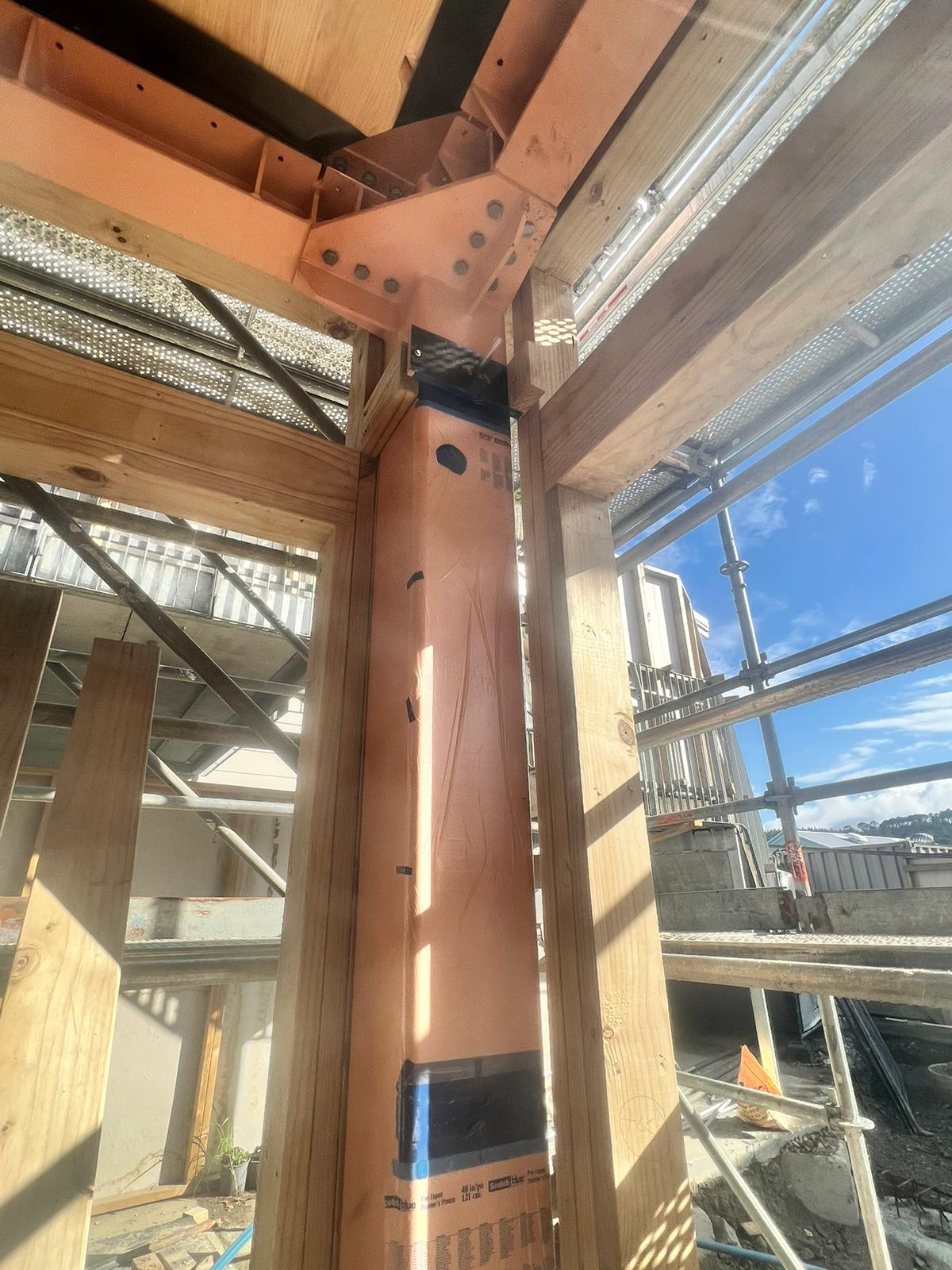
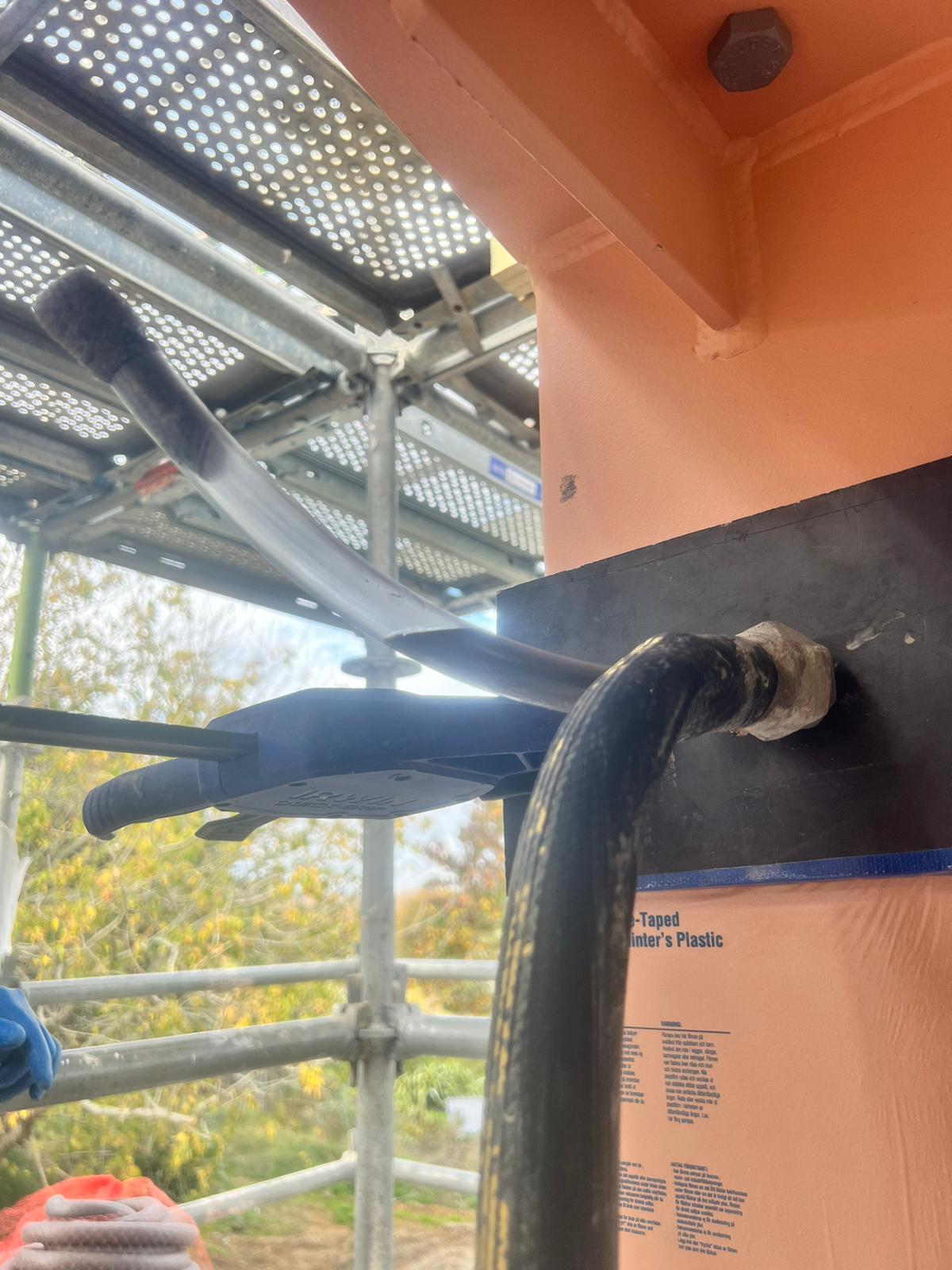
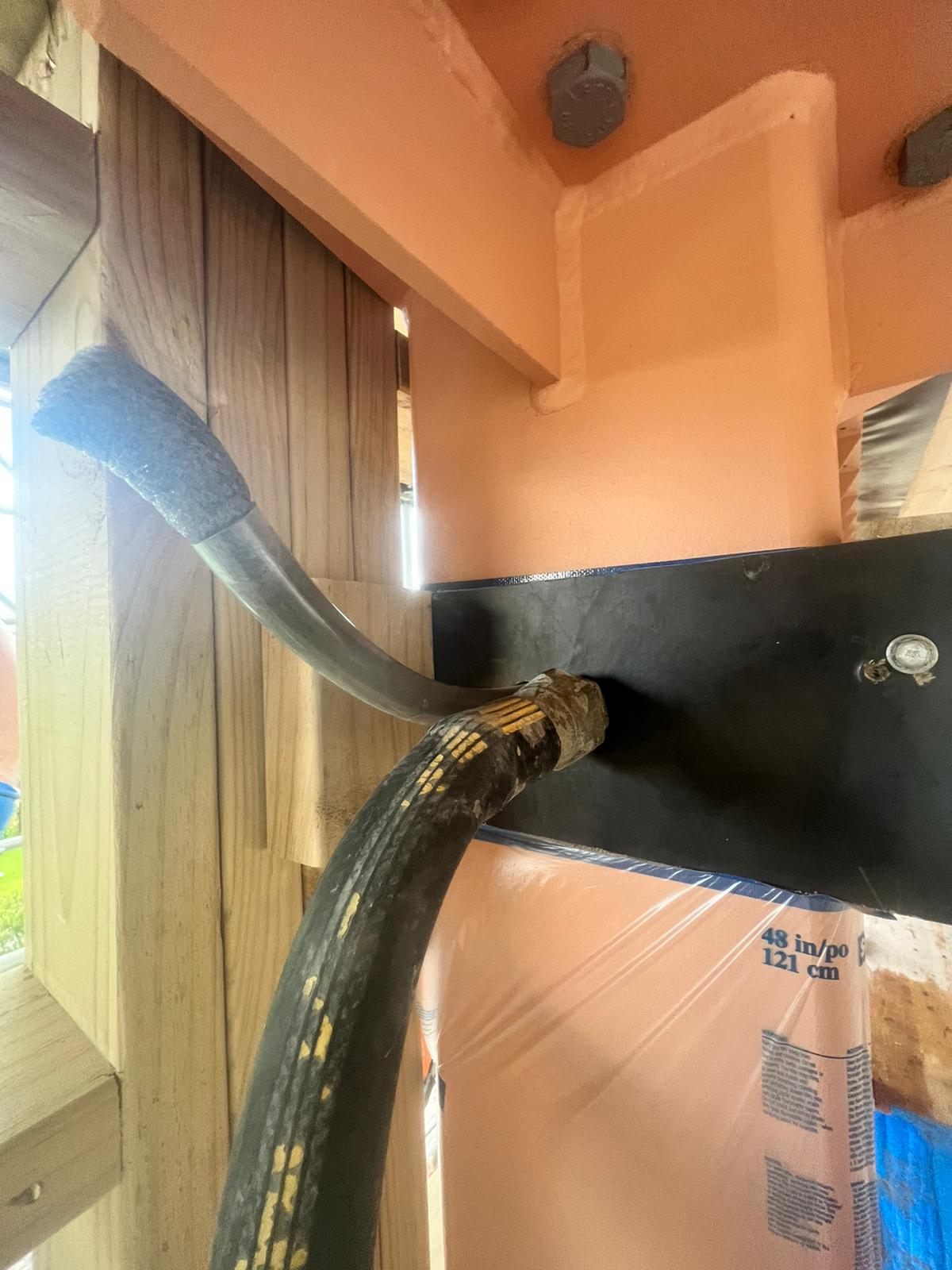
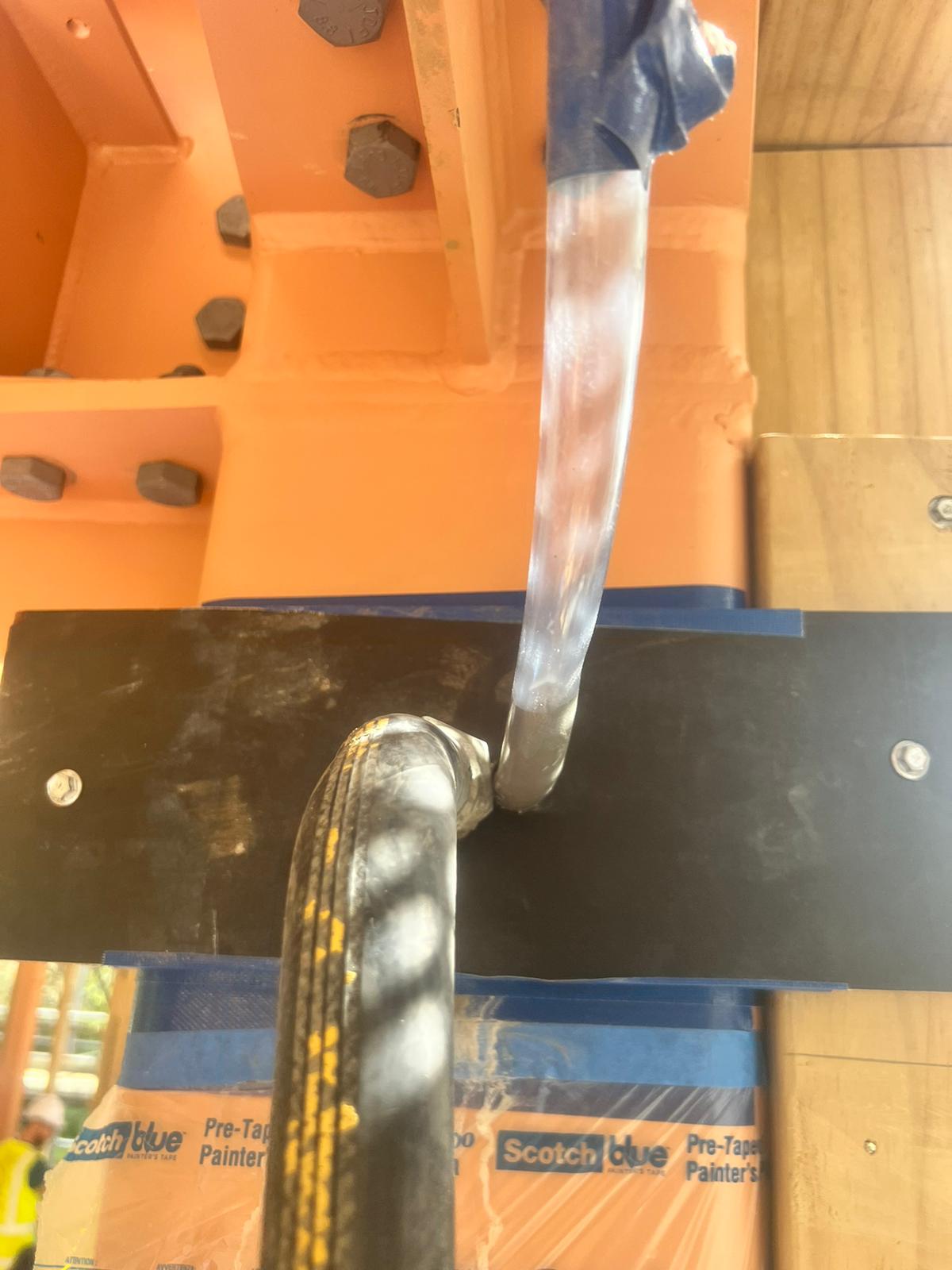
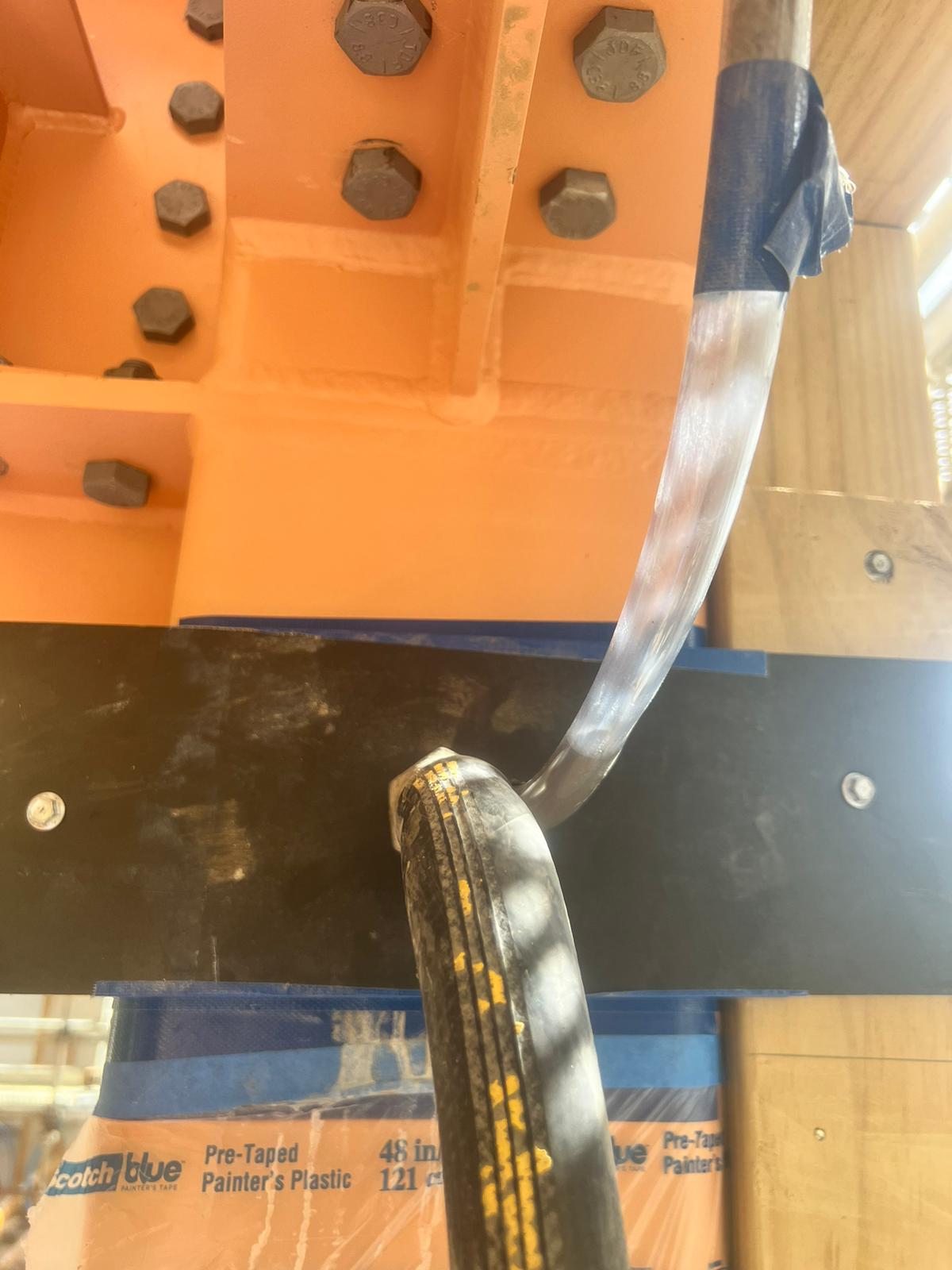
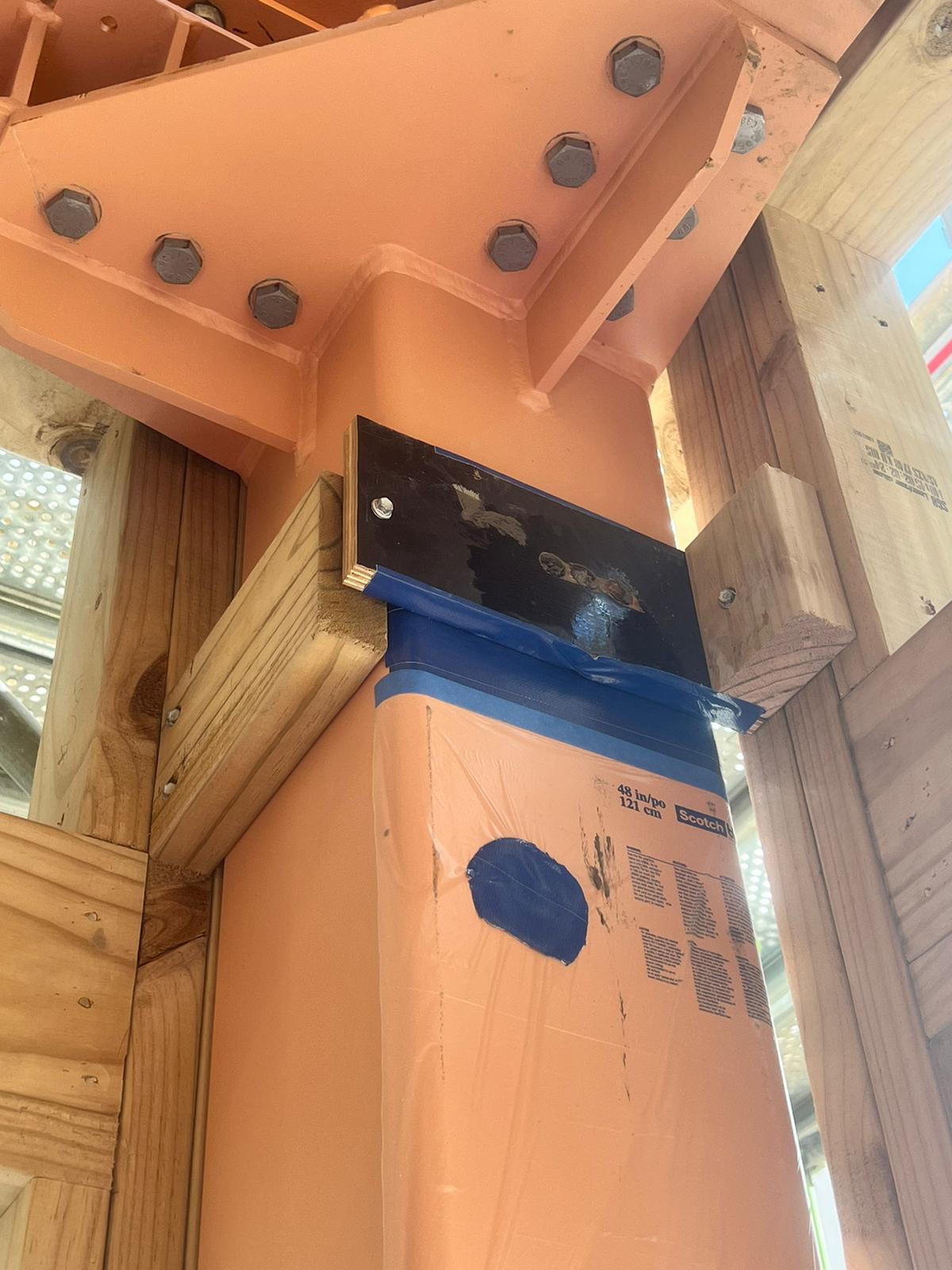
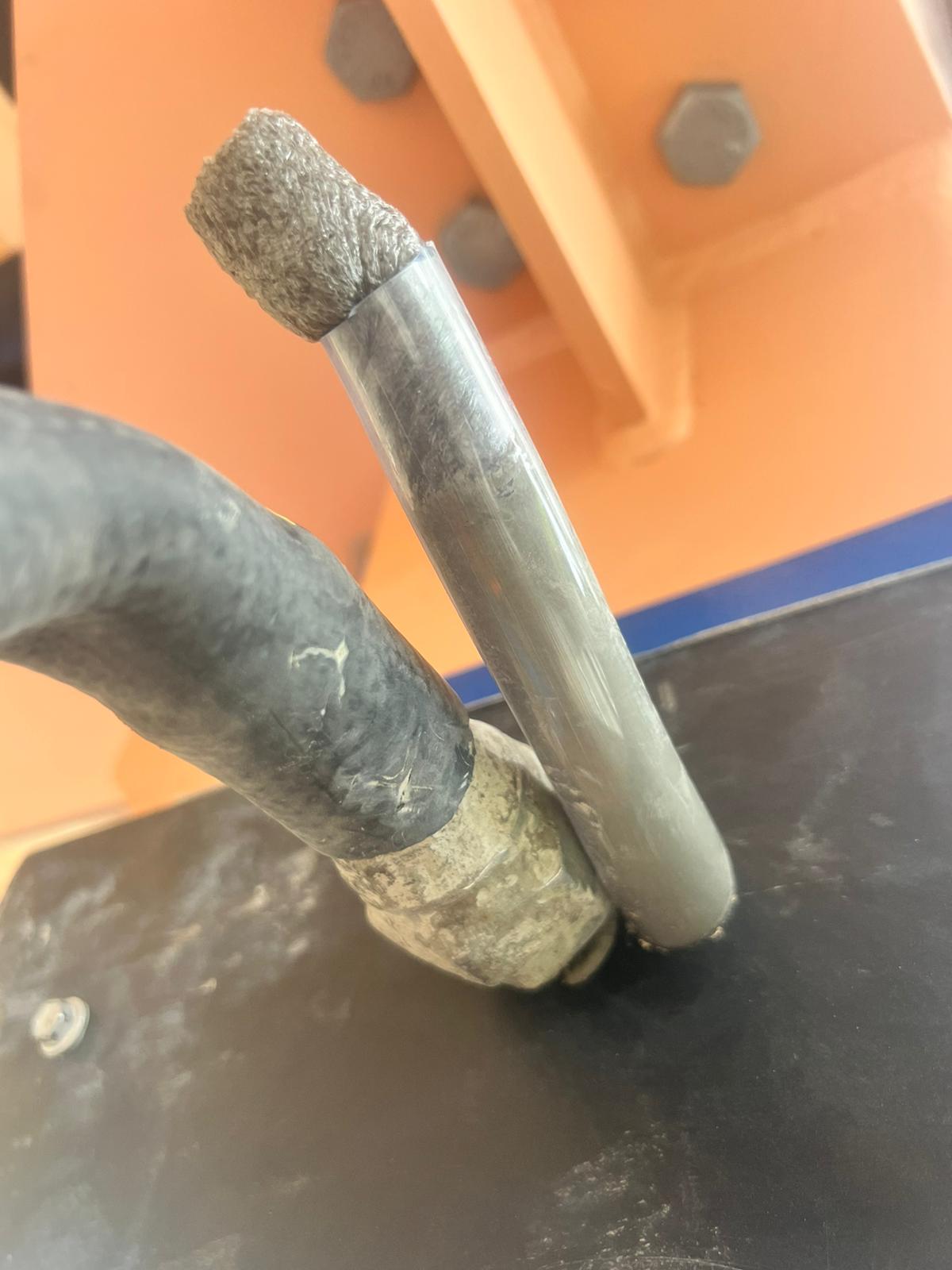
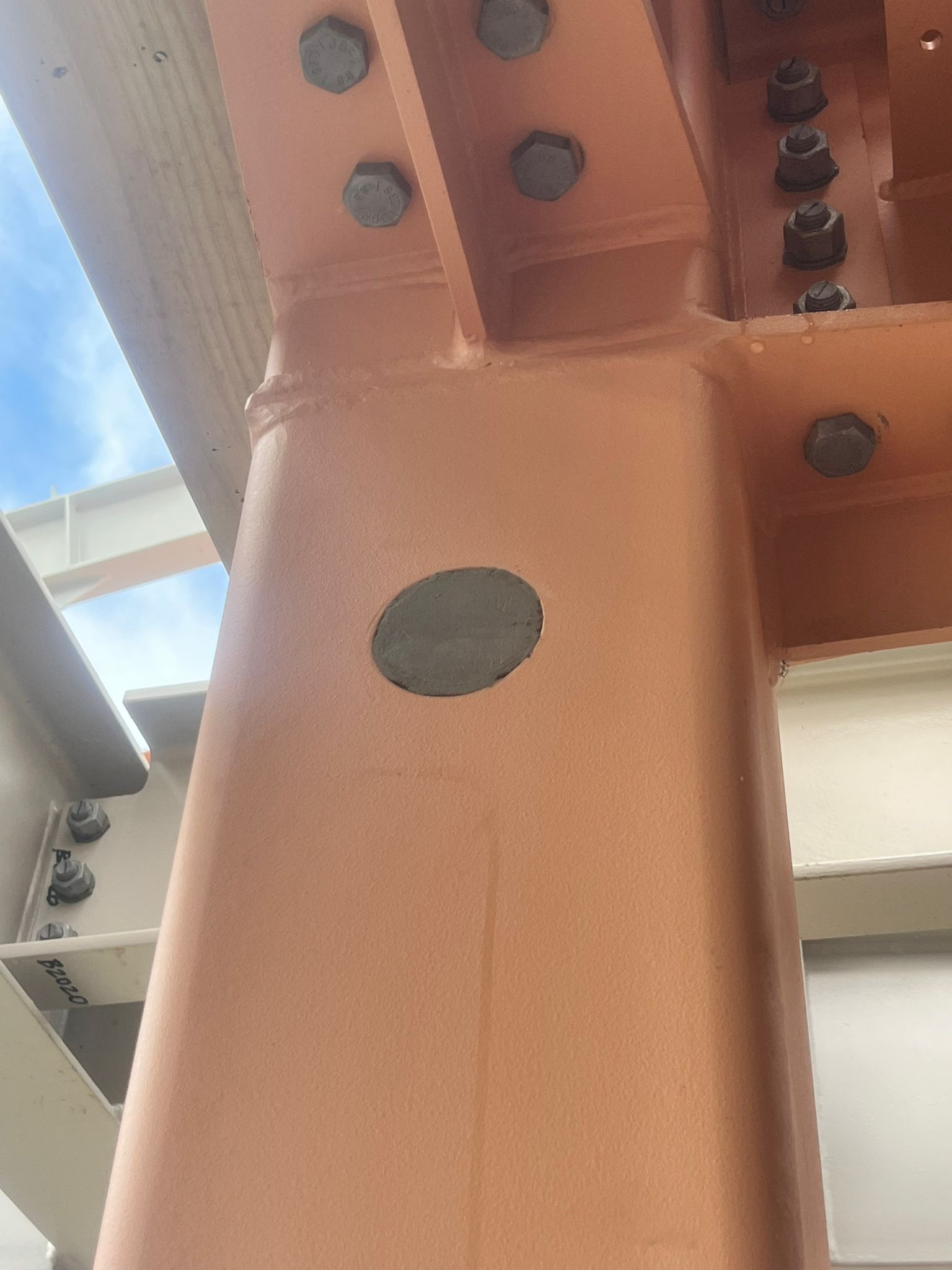
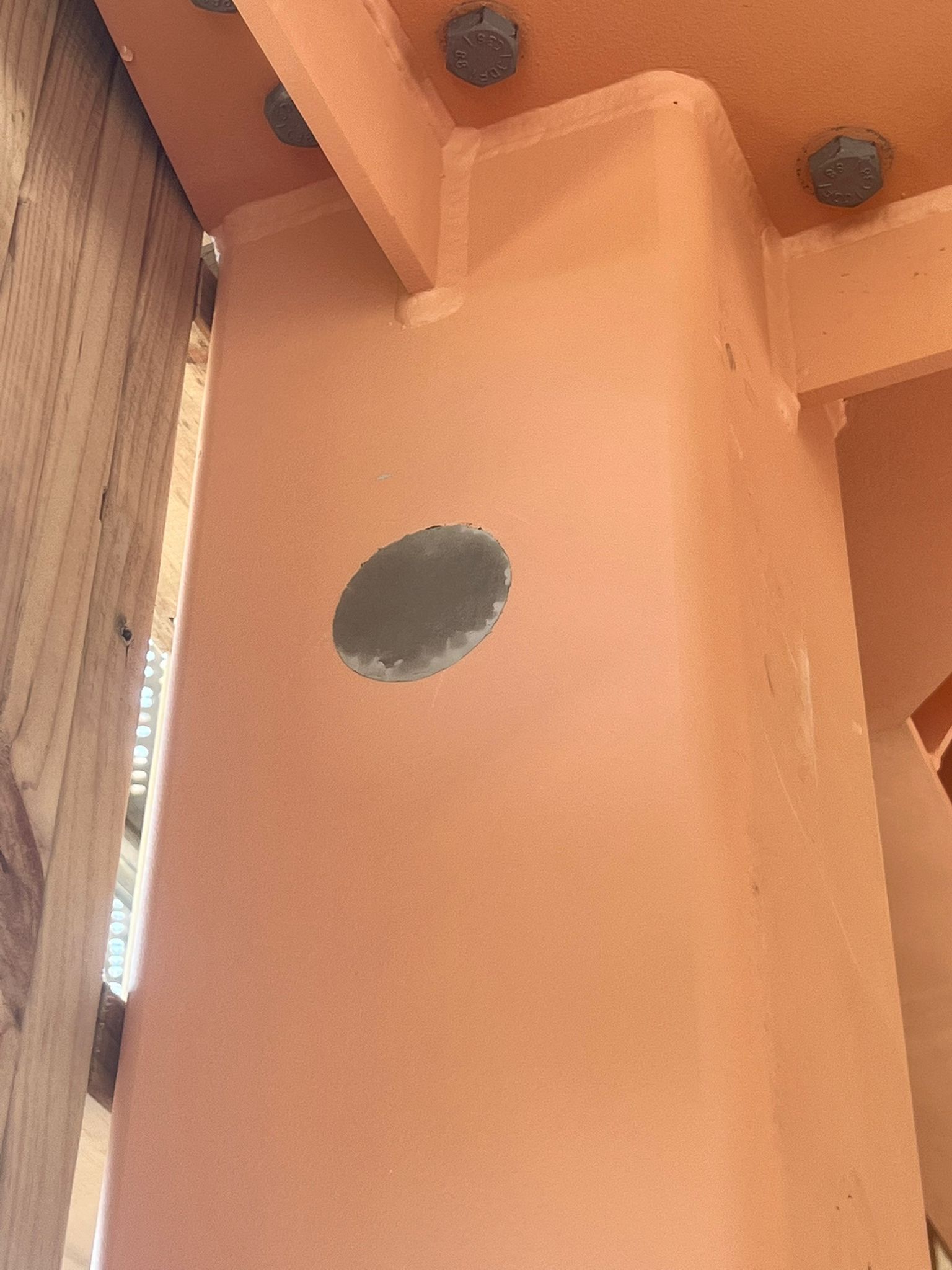
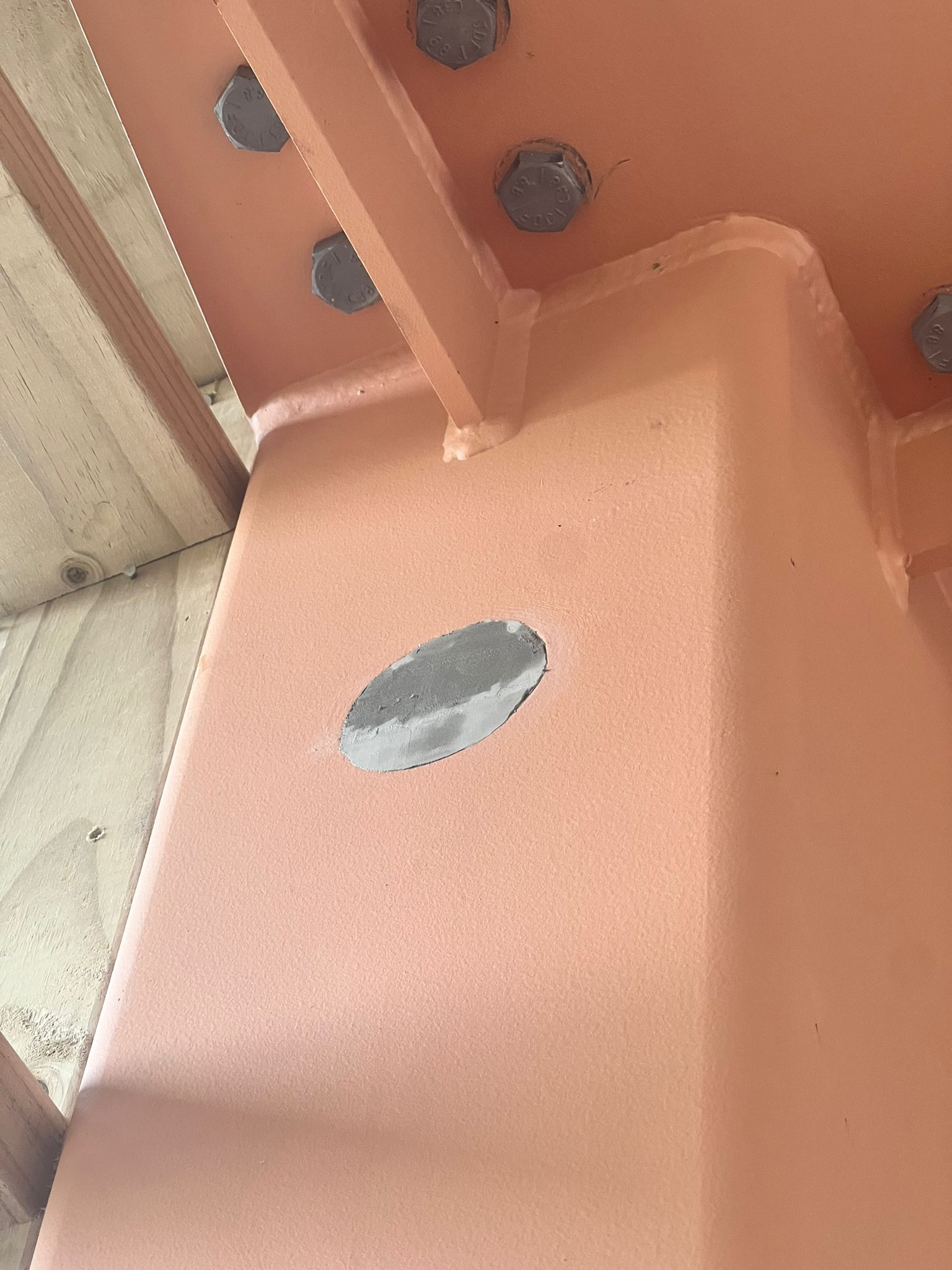
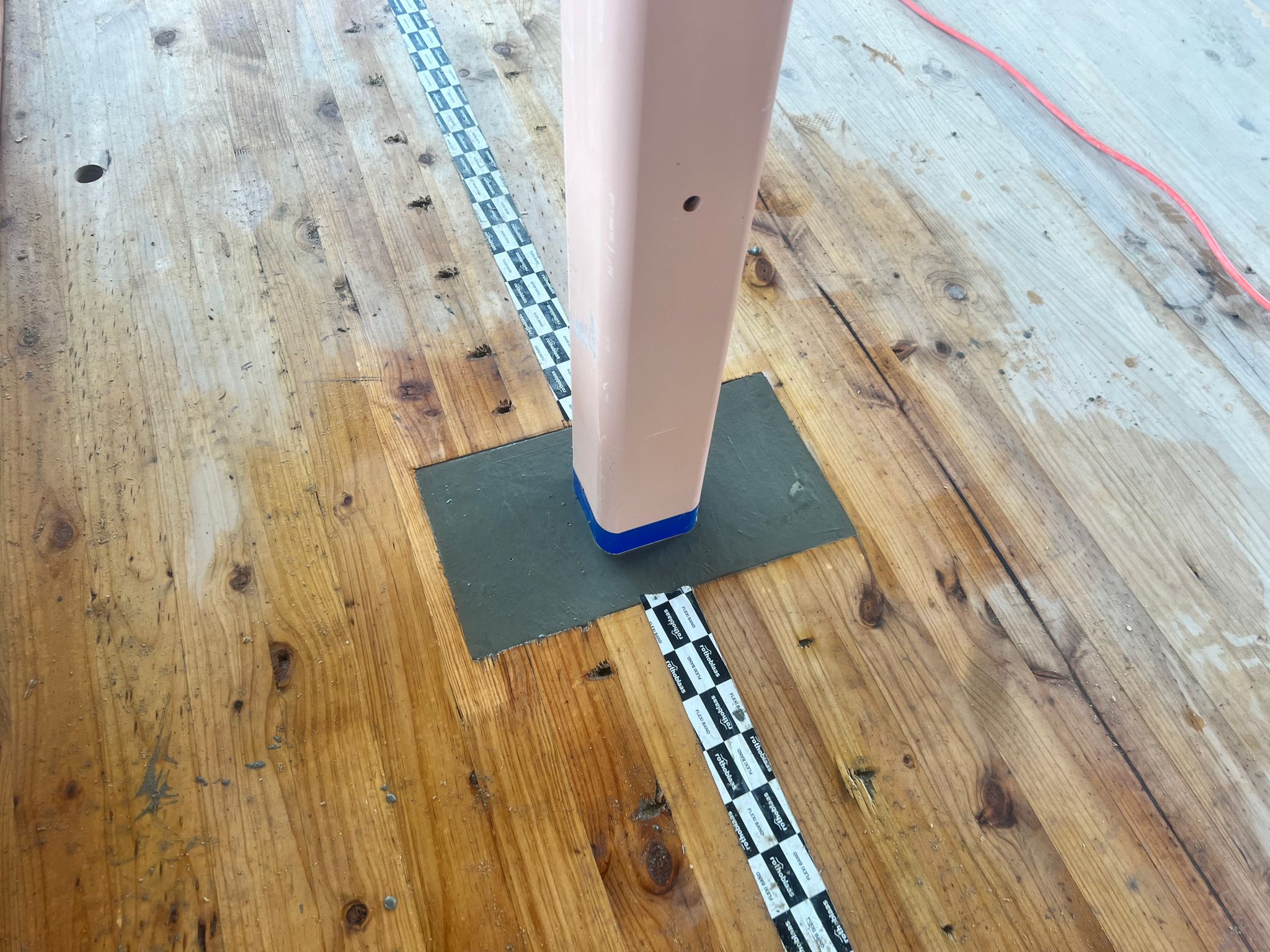
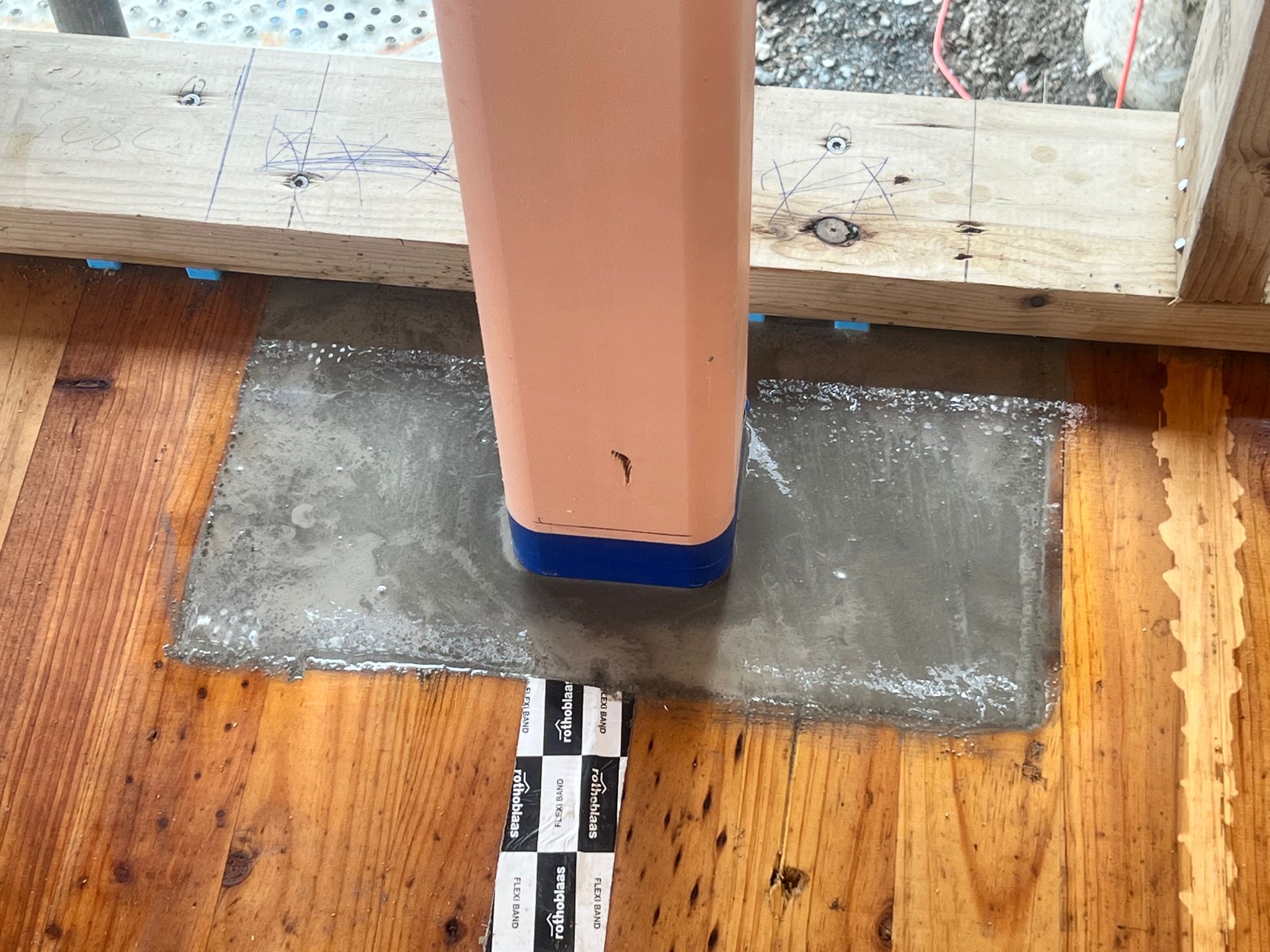
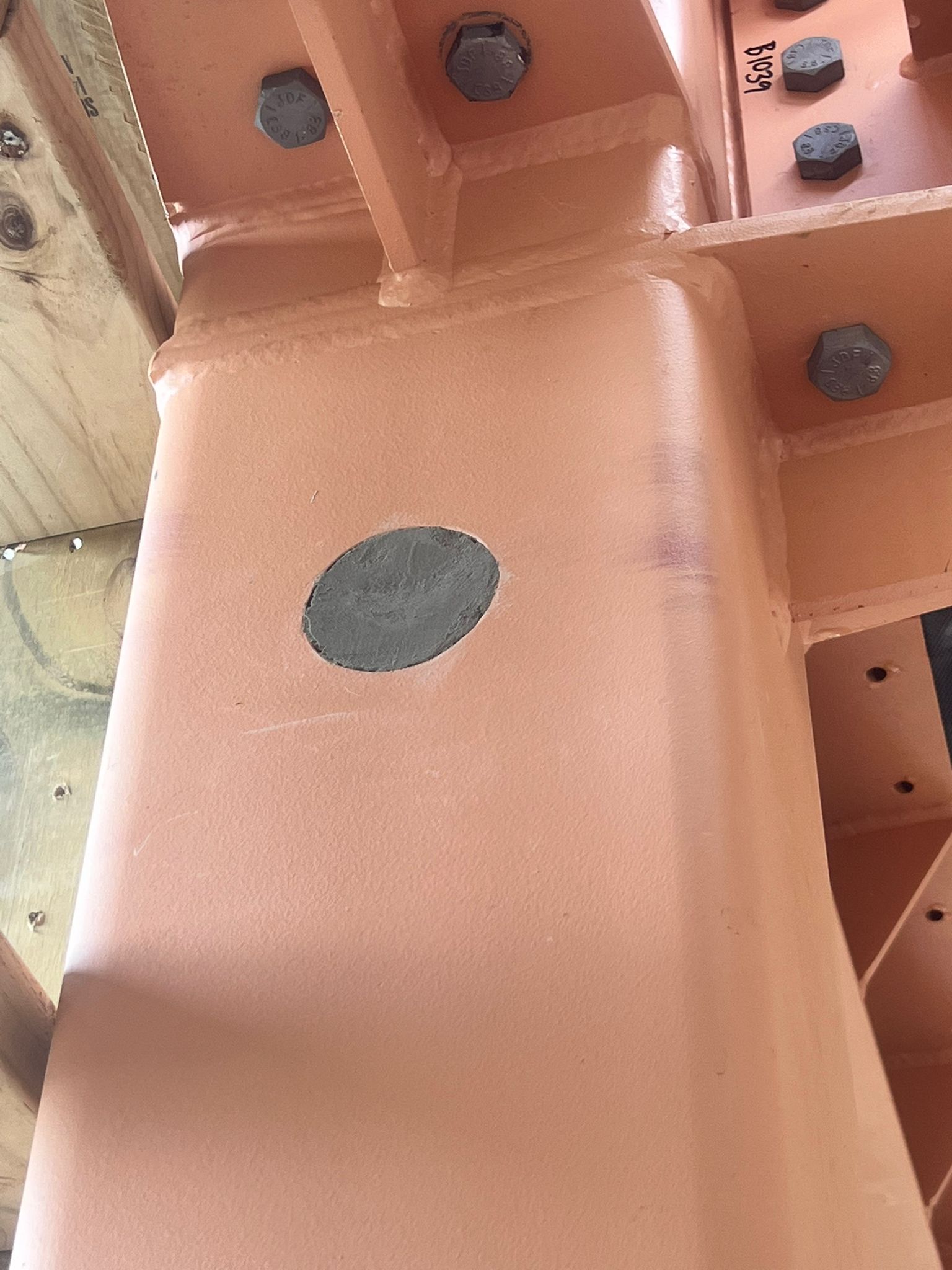
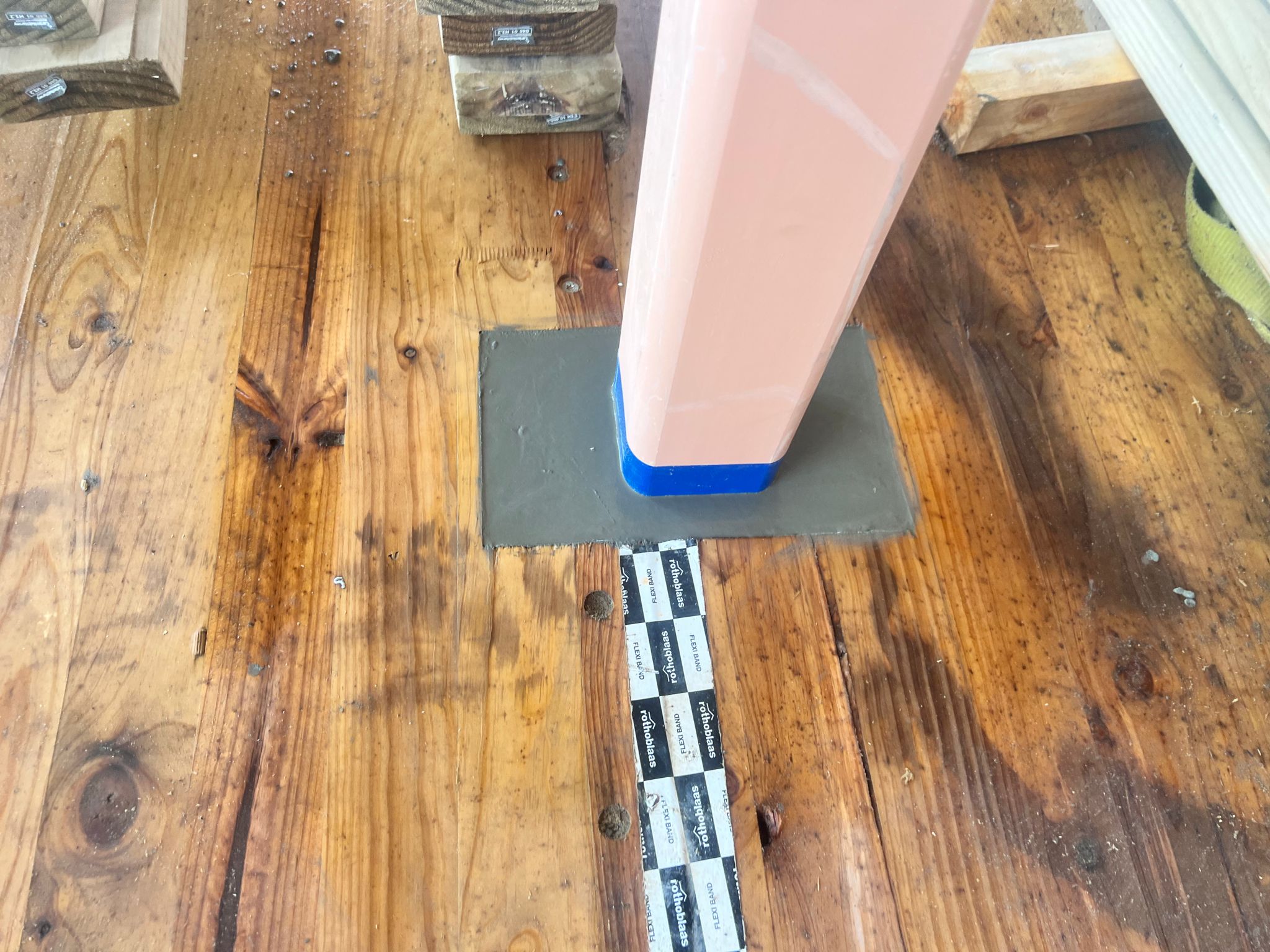
Grout concrete (grouting) is the process of pumping a fluid cement-based or resin-based material into gaps, voids, cracks, or cavities within concrete or structural elements.
Unlike standard concrete, grout is designed to flow easily and fill spaces that normal concrete cannot reach. Once placed, it hardens to create a durable bond that strengthens the structure and helps prevent water ingress.
Grouting is commonly used to fill voids, secure steel beams and columns, seal cracks and joints, and restore structural integrity of damaged or weakened concrete. It plays a critical role in ensuring the long-term durability of buildings and infrastructure.
Grouting is an essential process in concrete construction and repair. It involves filling voids, cracks, and gaps with fluid cement-based or resin-based material to strengthen the structure, enhance durability, and prevent further damage.
Grouting is a critical step in civil construction that ensures the longevity and stability of structures. It is a simple yet effective method that can significantly impact the overall performance and durability of a building.
Grouting fills voids and creates a level surface, preventing cracks and water damage.
It enhances the bond between concrete and substrate, reducing the likelihood of cracks.
Grouting improves the load-bearing capacity of foundations and structures.
It stabilizes soil and rock formations, providing a more stable foundation.
Grouting seals cracks and joints to prevent water ingress and other environmental factors.
It anchors structural elements, ensuring they remain securely in place.
Grouting fills voids to enhance the overall structural integrity of the construction.
It repairs damaged or deteriorated concrete, restoring its structural integrity.
 Chat with us