Crack injection is a specialised repair technique that involves filling concrete cracks with epoxy or polyurethane materials to restore structural integrity and prevent further damage. We've seen this method effectively address various types of concrete damage, from hairline cracks to more substantial fractures caused by settling, freezing, or excessive weight.
Understanding the proper application of crack injection can save property owners thousands in potential reconstruction costs. The process seals not only the visible surface crack but penetrates deep into the concrete to create a permanent bond that's often stronger than the original material.
The crack injection process begins with thorough surface preparation. We clean the crack area to remove dirt, debris, and loose concrete that might interfere with proper adhesion.
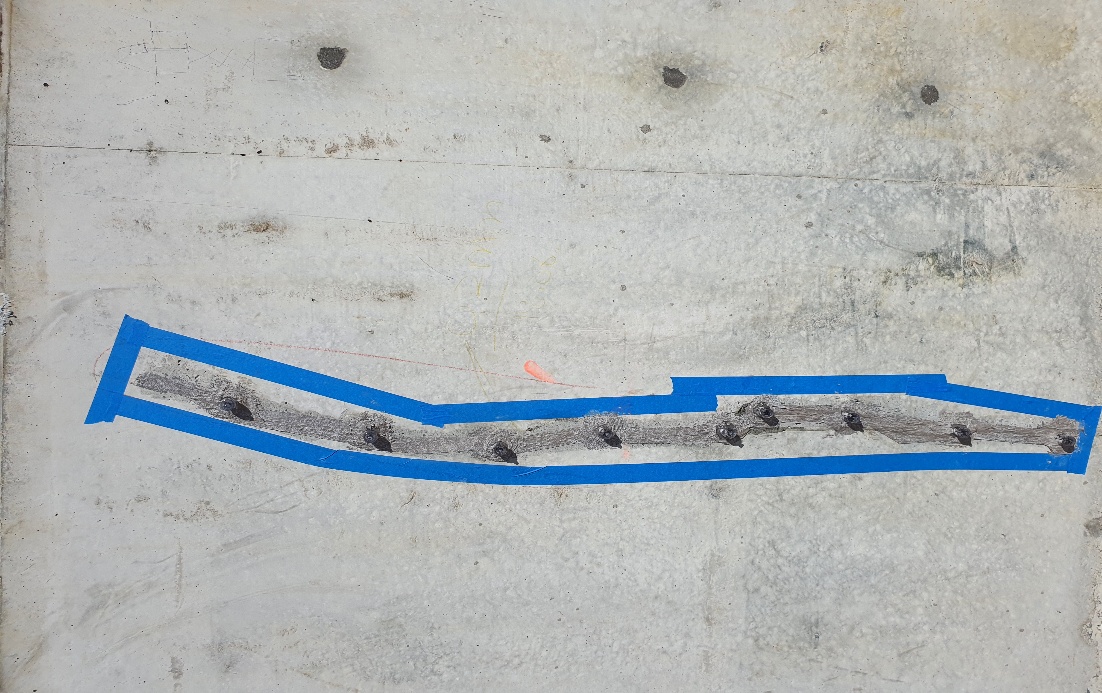
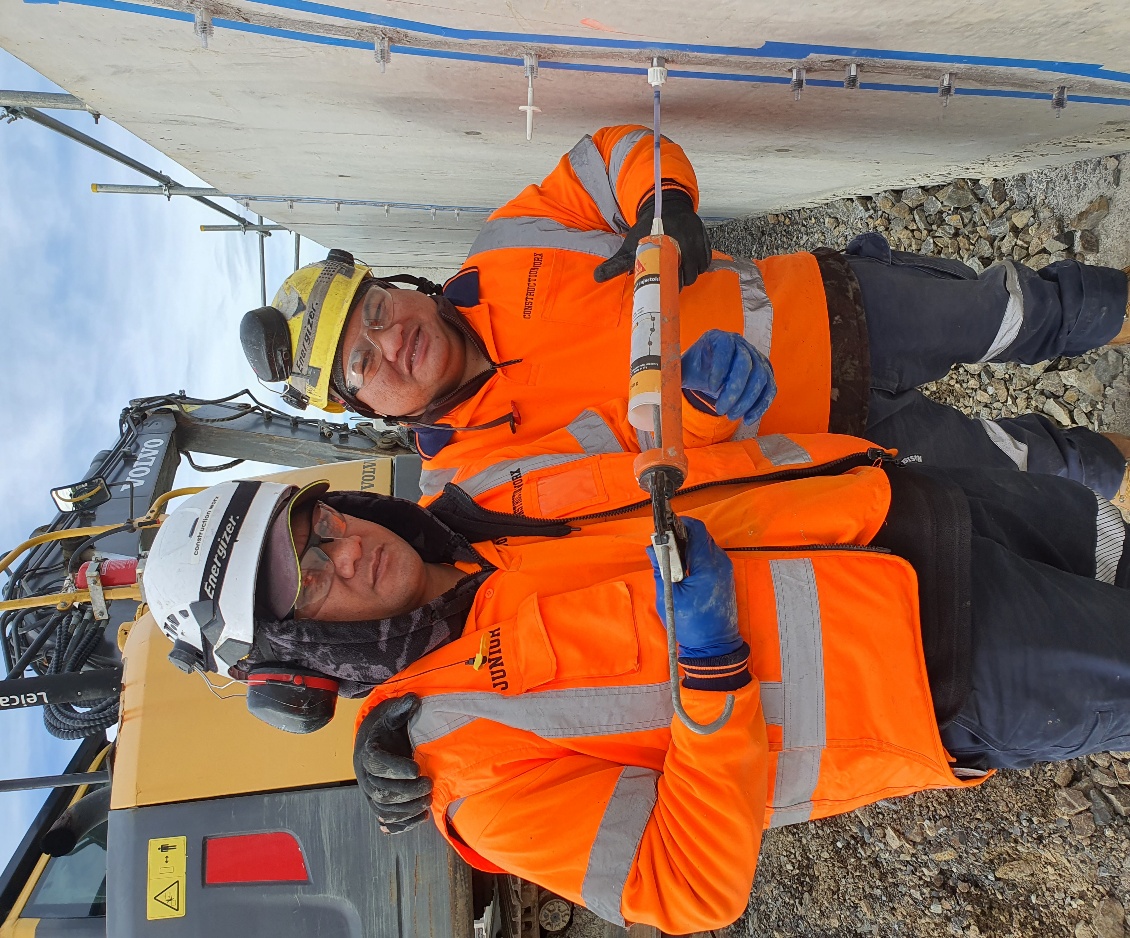
Injection ports are installed along the crack at regular intervals. These ports provide entry points for the repair material to flow into the damaged area.
The surface of the crack is sealed with an epoxy paste to prevent leakage during injection.
The actual injection involves pumping specialised materials – typically epoxy or polyurethane – into the crack through the ports. These materials flow from the bottom upward, displacing air and filling the entire void.
Epoxy injections provide exceptional strength for structural repairs, while polyurethane works better for active water leaks. The material cures inside the crack, forming a solid bond that is often stronger than the surrounding concrete.
Crack injection is a vital solution for maintaining concrete structures without costly replacements. It is particularly effective for repairing foundation cracks, structural concrete damage, and water leakage issues.
Additionally, crack injection extends the lifespan of concrete structures by addressing problems before they worsen. For buildings with historical significance, it preserves original materials while reinforcing weakened areas.
The injected material forms a bond often stronger than the original concrete.
Stops further damage and reduces the risk of mould growth.
A fraction of the cost compared to full concrete replacement.
Crack injection represents one of the most effective methods for repairing damaged concrete structures. This technique not only restores structural integrity but also prevents further deterioration by sealing openings that allow water and chemicals to penetrate.
Not all concrete cracks are candidates for injection repairs. Active cracks (those still moving or expanding) and dormant cracks (those that have stabilised) require different approaches. Hairline cracks (less than 0.3mm wide) typically need specialised low-viscosity materials, while wider structural cracks might require higher-strength injection products.
Structural cracks that compromise the integrity of the concrete are priority candidates for injection. These include:
Non-structural cracks like crazing or plastic shrinkage cracks may not always warrant injection unless they present water infiltration issues.
We utilise various materials for crack injection, each suited to specific conditions and crack types. Epoxy injection systems, such as those developed by MC-Bauchemie, provide excellent structural bonding with high compressive strength (up to 82 MPa). These are best for dry conditions and structural repairs.
Polyurethane foams expand upon contact with moisture, making them ideal for active leaks. These can expand up to 20 times their original volume, effectively sealing water-bearing cracks. Concrete Solutions® offers flexible polyurethanes that accommodate minor structural movements after curing.
For hairline cracks, we often employ microfine cement grouts that penetrate extremely small spaces.
Successful crack injection often requires professional expertise and specialised equipment. Our technicians assess crack patterns to determine underlying causes before proceeding with repairs. This diagnostic approach prevents treating symptoms without addressing root problems.
Professional services typically include: